
- Diamond Packaging Domestic And Foreign Trade Limited Company
- info@diamondambalaj.com
Laminated Products
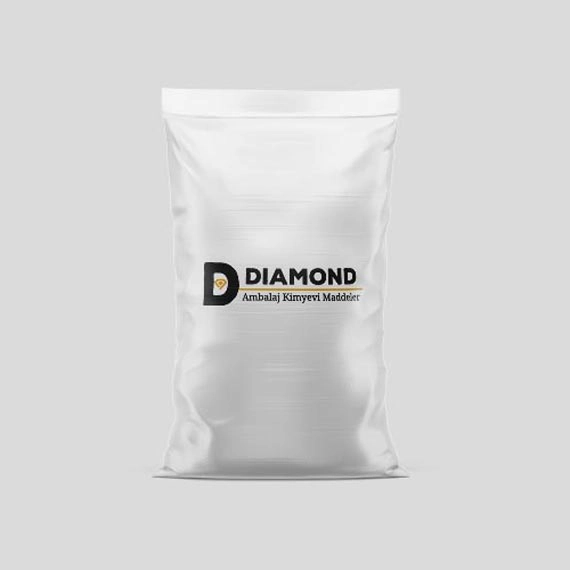
Laminated Products
Laminated bags are special packaging materials that are coated with a lamination layer on the outer surface of the bag. This lamination layer enhances the durability of the bags and ensures the protection of the contents.
Laminated bags are generally designed for multi-purpose use. They protect the contents from external factors such as moisture, UV rays, dust, dirt, or weather conditions. The lamination layer also provides additional durability, waterproofing, and resistance against tearing for the bags.
The production of laminated bags starts with the fabrication of the woven part of the bag. Then, a lamination layer is applied to the outer surface. The lamination layer can typically be a material known as plastic film or coating. This layer is bonded to the surface of the bag under heat and pressure, ensuring a strong bond and increased durability.
Laminated bags are widely used in various industries such as construction, agriculture, chemical industry, food sector, storage, and transportation. They are especially ideal for the transportation or storage of sensitive or granular materials. Laminated bags are a preferred packaging option for long-term storage of products, ensuring their safety and durability during the shipping process.
Laminated bags are available in various sizes, capacities, and colors. This allows for customization based on customer needs and application requirements. Additionally, they can be used for branding or promotional purposes by providing a suitable surface for printing or labeling. Laminated bags are a specialized packaging option that ensures the protection of the contents, enhances durability, and provides secure transportation or storage in various industries.